The Muscle Under the Brain — China's Electric Spindles & Linear Motors
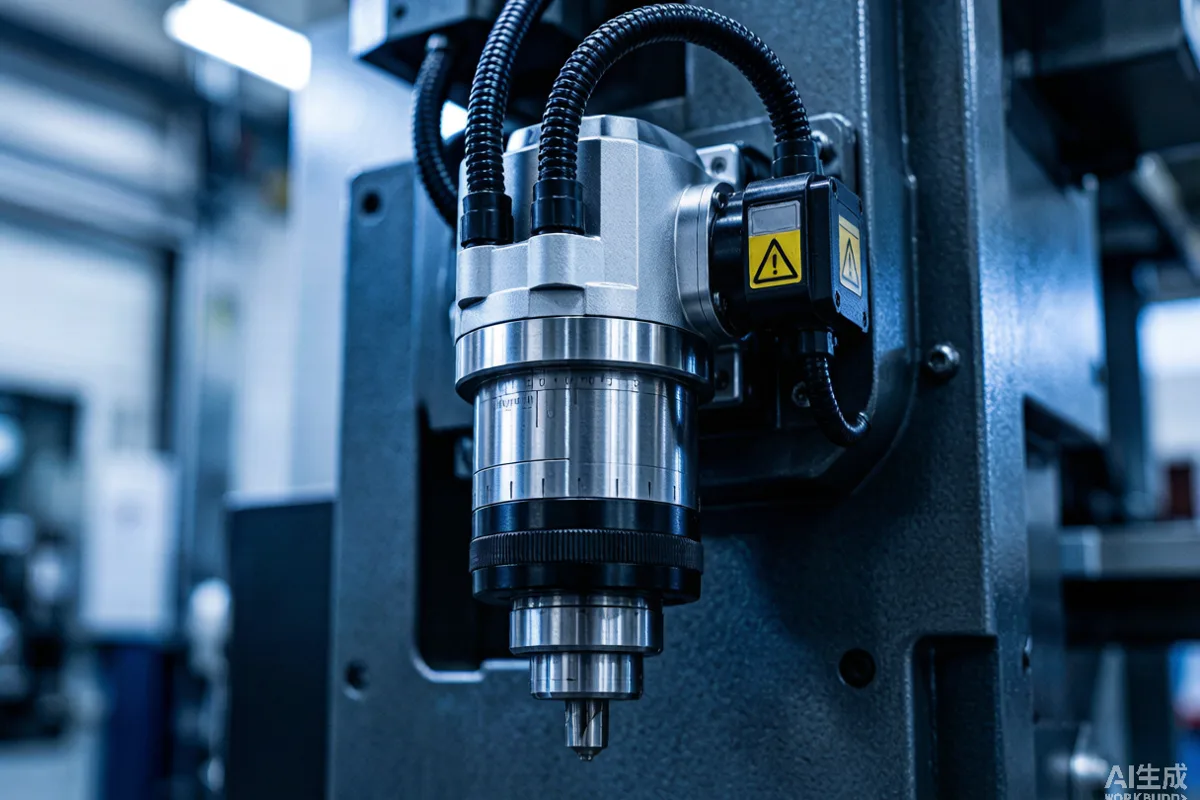
If the controller is the brain (Issue #15, GSK) and the castings/screws are the skeleton (Issue #14, Topstar + Yiheda), then the spindle and linear motor are the muscle — the layer that actually moves the tool and the part. This is where high-end accuracy is won or lost, and it remains a genuine choke point for Chinese machine tools at the very top. Haozhi (昊志机电, 300503) is the rare audited domestic champion here; the linear-motor tier is younger and still import-heavy at the high end.
- Real strength: Haozhi is a Shenzhen-listed spindle maker with audited 2025 revenue of RMB 1.595B (+22% YoY), net profit RMB 119M (+44%), gross margin ~38.1%, and spindles ≈67% of revenue. It pushes PCB spindles to 400,000 rpm and ultra-precision runout to ≤50 nm — strong proof the domestic spindle supply has real depth.
- Real caveat: At the ultra-top (aerospace, mirror-finish dies), European/Japanese spindle brands (GMN, IBAG, Step-Tec, Kessler) still set the benchmark. Domestic linear motors are capable at mid/high speed but the best direct-drive motion tiers still lean on imports (e.g. Kollmorgen, Akribis). The "choke point" is narrowing, not closed.
- One line: China can now make the muscle at volume and verified quality — which is exactly what Gree's in-house spindle + linear-motor stack depends on. The buyer's job is to name the spindle tier, not just the brand.
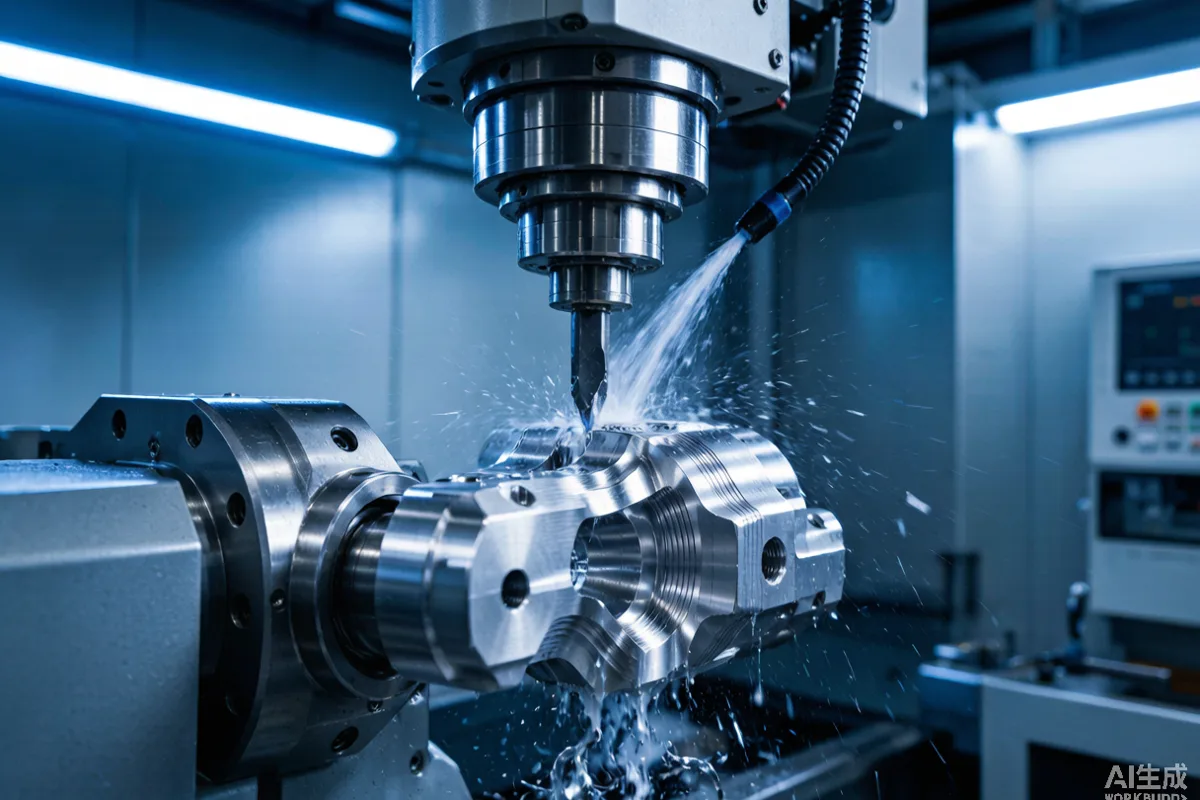
1 · Why Spindle + Linear Motor = the Execution Layer
A machine tool does one thing: move a cutting tool relative to a part, very fast and very precisely. Three actors do that. The controller (GSK / GNC / FANUC) decides where and when. The spindle spins the tool — the rotary muscle. The linear motor (or ball screw) moves the table/head in a straight line — the linear muscle. Get any one wrong and the part is scrap.
So the spindle and linear motor are not "accessories" in the Issue #14 sense. They are the execution layer — the part of the machine that turns a controller's instructions into physical motion. That is why we treat them as their own brief: this is where the high-end accuracy story lives or dies, and where Chinese machines still feel the top-tier gap most acutely.
This issue pairs with Issue #14 (the mechanical skeleton — screws, rotary tables, FA parts) and Issue #15 (the brain — the controller). Together they map the whole Chinese machine from inside out.
2 · Anchor A — Haozhi (昊志机电, 300503)
Haozhi is the cleanest anchor for this layer because it is publicly listed and audited — a rarity in a series full of private champions. Its audited 2025 annual report gives us numbers we can actually stand behind.
| Attribute | Detail (audited 2025) |
|---|---|
| Full name | 广州市昊志机电股份有限公司 (Guangzhou Haozhi Electromechanical Co., Ltd.) |
| Listing | Shenzhen (ChiNext) · 300503 · audited annual reports |
| Revenue | RMB 1.595B (+22% YoY) |
| Net profit | RMB 119M (+44% YoY) |
| Gross margin | ~38.1% |
| Revenue mix | Spindles ≈ 67% of revenue; also rotary tables, linear motors (AKMF), robots |
| Spec highlights | PCB spindles to 400,000 rpm; ultra-precision runout ≤50 nm (vendor specs) |
Source: Haozhi 2025 audited annual report (public filing). Speed/runout figures are vendor-stated product specs, not independently re-measured by us — rated Medium in the table below.
Why Haozhi is the right anchor
Unlike GSK (private, no financials — Issue #15) or the screw makers (Issue #14), Haozhi lets us verify the domestic spindle thesis with hard, audited numbers: a billion-renminbi spindle business growing double digits, at a healthy ~38% margin, with a clear technology edge in high-speed PCB spindles. That is the strongest evidence yet in this series that China's "muscle" layer is not just cheap — it is maturing technically and profitably.
3 · The Linear-Motor Landscape
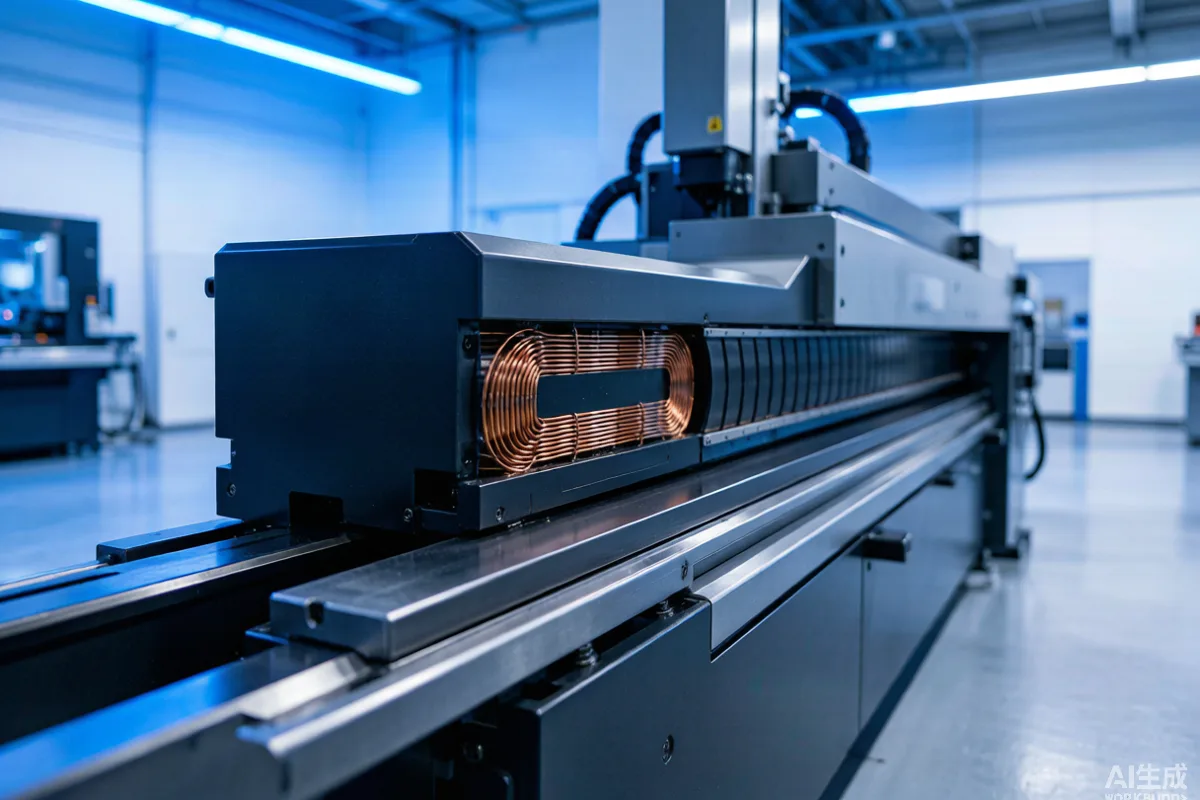
Where the spindle is rotary, the linear motor is straight-line direct drive. Instead of a ball screw turning rotation into motion, a linear motor pushes the table directly along a magnet track — higher speed, higher acceleration, no backlash, no screw wear. It is the motion tier of choice for high-speed machining, semiconductor and precision automation.
| Tier | Who | Read |
|---|---|---|
| Import benchmark | Kollmorgen, Akribis (雅科贝思), ETEL, Parker | Best-in-class force density, smoothness and life at the very top. Still the default for the most demanding axes. |
| Domestic entrants | Haozhi (AKMF series), plus a wide field of specialized domestic motor/drive makers | Capable at mid/high speed and acceleration; improving force density and thermal behavior. Good value for high-speed general work. |
| Buyer reality | Mixed machines | Mid-tier Chinese machines often pair a domestic or import servo-screw with optional linear-motor axes; top machines still specify import linear motors on the precision axes. |
4 · Component Map: Brain → Muscle → Skeleton
| Layer | Job | Domestic anchors (this series) |
|---|---|---|
| Brain · Controller | Decides where & when | GSK (980/25i), Gree, Huazhong, KEDE — #15 |
| Muscle · Spindle | Spins the tool | Haozhi (300503) — this issue |
| Muscle · Linear motor | Moves table/head straight | Haozhi AKMF, domestic entrants, import benchmark |
| Skeleton · Screws/parts | Moves & holds mechanically | Topstar, Yiheda (FA parts) — #14 |
This is the through-line of the last three issues. A Chinese machine's character is the sum of these four layers — and the buyer who names each tier (controller model, spindle maker/class, screw or linear-motor axis, part source) understands the machine far better than one who reads only the brand on the door.
5 · This Week's Gree CNC Angle
Gree's differentiator is exactly this execution layer — made in-house
Gree's "machine + robot + thermal + process" bundle is built around its own GNC controller (the brain) plus a self-made spindle and linear-motor motion stack (the muscle). That makes this issue more than industry context — it is the layer Gree's whole value proposition rests on.
- Haozhi is the benchmark, not the rival. As a verified domestic spindle champion, it shows how far the supply has matured — useful as a capability reference when Gree specs its own spindles and as a make-vs-buy datapoint.
- The in-house motion stack is the moat. Pairing GNC with self-made spindle + linear motor is what lets Gree sell a coherent production cell rather than a box of bought parts. The spindle/linear-motor story is the physical proof of "Gree builds the machine, not just assembles it."
- Buyer takeaway is identical to the series. Ask for the spindle tier and the motion-axis type (screw vs linear motor, and which brand) in the spec sheet. "Gree machine" implies an in-house motion layer — but verify the class for the job.
6 · Objective Limits & Risks
Top-tier spindle still import-led
For mirror-finish dies, aerospace skins and sustained ultra-precision, European/Japanese spindles (GMN, IBAG, Step-Tec, Kessler) remain the benchmark. Domestic spindles are excellent at volume and high-speed PCB/woodworking, and climbing into precision — but the very top is not yet level.
Linear-motor tier is younger
Domestic linear motors are credible at mid/high speed but the ultra-high-end motion tier still leans on imports. A machine "with linear motors" may mix domestic and import axes — verify which axis, which brand, which class.
Thermal & life at the limit
Spindle runout and linear-motor smoothness degrade with heat and time. Vendor specs (e.g. ≤50 nm runout) are fresh-machine numbers; sustained accuracy depends on cooling, balancing and maintenance. Ask for a reference site running the exact spindle/class under your duty cycle.
7 · Data Credibility Rating
| Claim | Source | Confidence |
|---|---|---|
| Haozhi listed 300503; 2025 revenue ¥1.595B (+22%), net ¥119M (+44%), GM ~38.1%, spindle ~67% | Audited annual report (public filing) | High |
| Haozhi PCB spindle to 400k rpm; runout ≤50 nm | Vendor product specs (not re-measured by us) | Medium |
| Linear-motor landscape: import benchmark + domestic entrants | Multiple secondary & vendor sources agree on structure | High |
| "Domestic linear motors match imports at the very top" | No single clean audited proof; import tier still specified at top | Low |
| Gree makes its own spindle + linear motor in-house | Company positioning / product descriptions | Medium |
8 · Guidance by Use Case
Overseas buyer / distributor
Name the spindle tier and the motion-axis type in every quote. For general/high-speed work, a domestic spindle (Haozhi-class) or an in-house Gree spindle is solid value — verify speed, runout and a reference site. For mirror-finish or aerospace-grade work, expect import spindles (GMN/IBAG/Step-Tec/Kessler) and possibly import linear-motor axes; ask which axis uses what. "Linear motor" is not a specification without the brand and class.
Investor
Haozhi (300503) is the rare verifiable listed window into the spindle layer — a billion-renminbi, ~38%-margin, double-digit-growth business. It is the cleanest public proxy for "China's muscle is maturing," alongside the screw/FA-part makers (Topstar 300607, Yiheda 301029) and the controller players. The linear-motor tier has no equally clean listed champion yet — a gap worth watching.
Technology / supply-chain partner
For Gree's supplier mapping, Haozhi is a concrete benchmark for spindle capability and a make-vs-buy reference for the motion layer. Where Gree self-makes, Haozhi shows the external alternative's verified baseline; where Gree buys, the domestic spindle/linear-motor field is now a real options set, not a void.
Frequently Asked Questions
What is the difference between a spindle and a linear motor?
A motorized (electric) spindle is the rotating axis that holds the cutting tool and spins it — the 'rotary muscle.' A linear motor is a direct-drive motion axis that moves the table or head in a straight line without a ball screw — the 'linear muscle.' Together they decide how fast and how precisely a machine removes material. The controller (the 'brain', see Issue #15 on GSK) commands them; the spindle and linear motor execute.
Why are spindles a 'choke point' for high-end machines?
Because spindle performance — speed, runout (how true it spins), thermal stability and bearing life — directly caps surface finish, accuracy and uptime. At the very top (aerospace, ultra-precision dies), the best spindles are still dominated by European and Japanese brands (GMN, IBAG, Step-Tec, Kessler). Chinese makers like Haozhi are strong in volume PCB/woodworking/grunt spindles and are climbing into high-speed and ultra-precision, but the top-tier gap is real.
Is Haozhi (昊志机电) a reliable data point?
Yes — unusually so for this series. Haozhi is a Shenzhen-listed company (300503) and publishes audited annual reports. We cite its audited 2025 figures: revenue RMB 1.595B (+22% YoY), net profit RMB 119M (+44%), gross margin ~38.1%, with spindles ~67% of revenue. That makes it a rare verified anchor next to private players like GSK (Issue #15) where we quote no financials.
What does this mean for Gree's own machines?
Gree builds its own spindle and linear-motor motion layer in-house (part of its 'machine + robot + thermal + process' bundle). Haozhi shows how far the domestic spindle supply has matured and verified — useful as a capability benchmark and a make-vs-buy reference. Gree's differentiator is pairing its GNC controller with a self-made motion stack, so the spindle/linear-motor story is directly GNC-relevant, not just industry context.